Waterproofing
In construction involves using membranes and coatings to protect a building’s contents and structural integrity. It is essential for creating a controlled environment within the building envelope. Roof covering materials, siding, foundations, and penetrations need to be water-resistant or waterproof. Roofing materials typically shed water, but must be waterproof in conditions like ice damming or on flat roofs. Waterproof membrane systems include felt paper with asphalt, bituminous waterproofing, EPDM rubber, hypalon, PVC, and liquid roofing. Walls use breathable, water-resistant house wraps and have vapor or air barriers to allow moisture to escape, Walls are not subjected to standing water, and the water resistant membranes used as house wraps are designed to be breathable to let moisture escape
Walls also have vapor or air barriers. Damp proofing is another aspect of waterproofing. Masonry walls are built with a damp-proof course to prevent rising damp, and concrete foundations need to be damp-proofed or waterproofed with a liquid coating, basement waterproofing membrane (often used under concrete slab floors with polyethylene sheeting). or an additive to the concrete. In earth-sheltered houses, excessive humidity is a potential problem, making waterproofing critical to prevent mold growth, structural damage, and air quality issues. Properly waterproofing foundation walls is essential to prevent deterioration and seepage. Waterproofing roof decks and balconies is a specialized area, and failed waterproof decks are a leading cause of water damage and personal injury. Major problems in construction arise when improper products are used for the wrong applications, or when manufacturer specifications and installation procedures are not followed.
In the past two decades, waterproofing technology has advanced with integral systems like hycrete, which make concrete itself waterproof. There are two main types: hydrophilic, using crystallization to replace water with insoluble crystals, and hydrophobic, using fatty acids to block pores and prevent water passage,. Deck waterproofing must also handle expansion and contraction due to temperature changes.
For Metallic /Concrete Roof -Liquid Applied
Advantages
- Heat reflection thus saving energy and and prevent global warming.
- Waterproofing protection.
- Self-seals any hairline cracks.
- Eco friendly product thus is safe for usage and helps in environmental protection.
- Ultraviolet resistant.
- Good elongation.
- Good adhesion to variable substrates.
- Non toxic and solvent free.
- Aesthetically pleasing colour options.
- Longer potential life-cycle due to less polymer degradation and thermal expansion due to lower temperature.
- Excellent elasticity, durable and able to retain elasticity for many years.
- Able to absorb thermal shock and vibration.
- Excellent dirt pick-up resistance
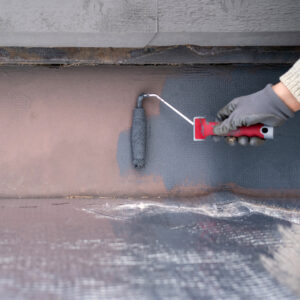
USES, Heat reflective & waterproofcoating for:
- Metal, clay or cementtile roof.
- Old & new metal roofing sheets.
- Old & new concrete roofs
- Concrete flat roofs.
- Polycarbonate roofing sheets.
- All kinds of wall.
Crystalline Waterproofing
Areas of Application
- Reservoirs.
- Sewage and Water Treatment Plants.
- Underground Vaults.
- Secondary Containment Structures.
- Foundations.
- Tunnels and Subway Systems.
- Swimming Pools.
- Parking Structures.
- Tunnels Sub Structures.
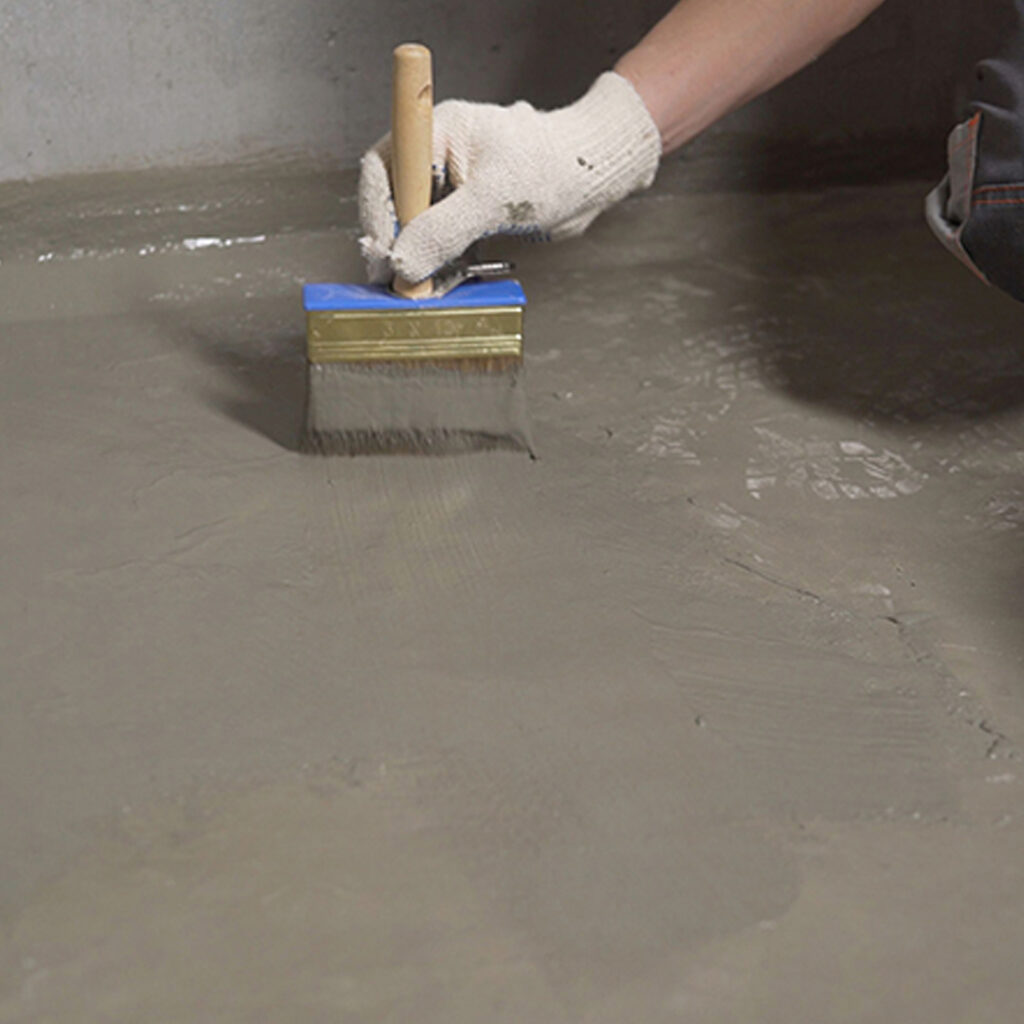
Advantages
- Resists extreme hydrostatic pressure
- Becomes an integral part of the substrate
- Can seal hairline cracks upto 1 mm
- •Allows concrete to breathe
- Highly resistant to aggressive chemicals
- Non-toxic
- Does not require a dry surface
- Cannot puncture, tear or come apart at the seams
- No costly surface priming or leveling prior to application
- Does not require sealing, lapping and finishing of seams at comers, edges or between membranes
- Can be applied to the positive or the negative side of the concrete surface
- Does not require protection during backfilling or during placement of steel, wire mesh or other materials
- Less costly to apply than most other methods
- Not subject to deterioration
- Permanent
Major Projects of Waterproofing
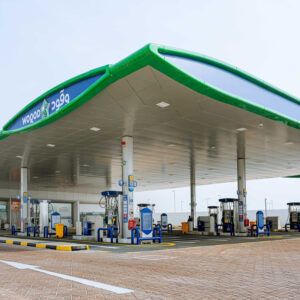
- WOQOD PETROL STATIONS -FUEL TANK FARM
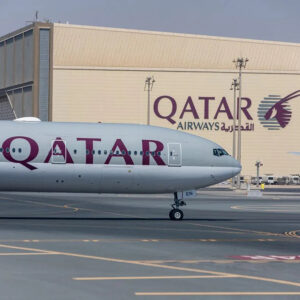
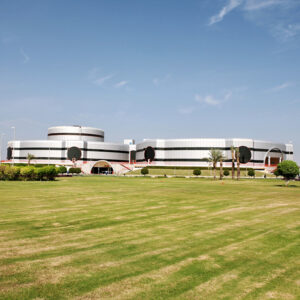
- QATAR AIRWAYS
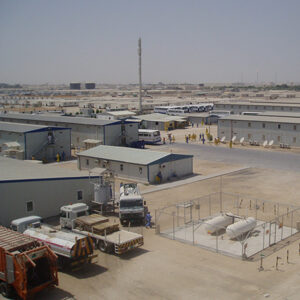
- 3 CULVERTS -BARZAN CAMP -@ RAS LAFFAN
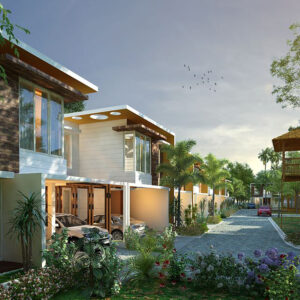
- VILLA PROJECTS -DIFFERENT LOCATIONS
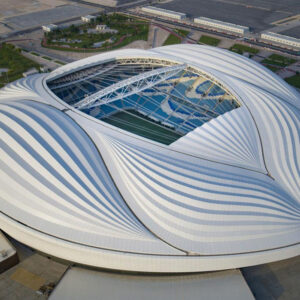
- WORLD CUP STADIUMS
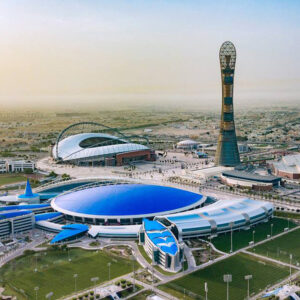
- ASPIRE FOUNDATION
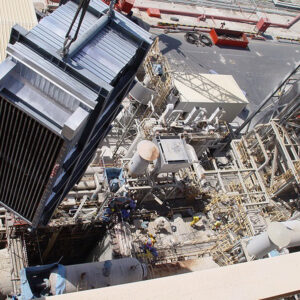
- MESAEID REFINARY -VARIOUS LOCATIONS
- QATAR ENERGEY - DUKHAN VARIOUS LOCATIONS